Frontline Blog
Big city policies are reducing tobacco use and protecting youth
March 2026
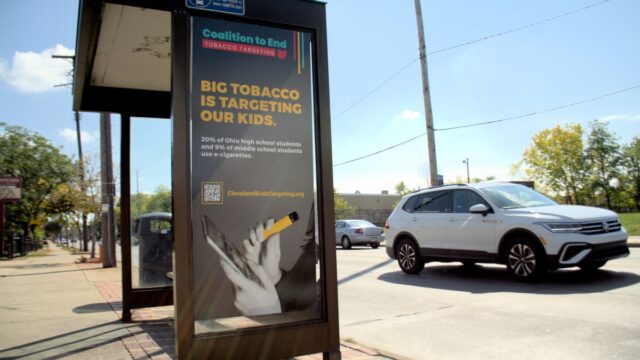


Tobacco prevention advocates marked several key victories in big cities in 2025. Smoking remains the leading cause of preventable death in the United States, and strong policy change is one of the most effective tools to reduce use, prevent youth from starting to smoke, and support people who want to stop.
While helping one person quit matters, policy change operates at a community level, creating healthier environments that reduce exposure, limit access, and protect thousands of residents at a time.
Below we examine several ways that big city health departments led important tobacco policy interventions in 2025.
Flavor restrictions
Localities in Ohio secured a recent legal victory when an appeals court ruled that the state cannot prevent local governments from regulating flavored tobacco products. This decision has allowed Columbus Public Health’s 2024 flavored tobacco ban to remain in place and has opened the door for other Ohio cities to follow suit. Since the ban took effect three years ago, smoking rates in Columbus have reached a historic low, dropping from 36% to 11%. This drop has contributed to the health department’s broader efforts to prevent heart disease and cancer.
Later in the year, Denver voters voted overwhelmingly to uphold a ban on flavored tobacco and nicotine products, including menthol. The Denver Department of Public Health and Environment began enforcing the policy on January 1, 2026, through routine and undercover inspections of local retailers.
Both Columbus and Denver have included menthol in their flavoring restrictions. Because tobacco companies have heavily marketed menthol products to Black consumers, restricting this flavoring is an important tool for reducing disproportionately high tobacco-related disease and death among African Americans.
Limiting public use
In December 2025, the Dallas City Council passed an amendment to its local ordinance banning electronic smoking (vaping) in public areas where smoking is already restricted, such as hospitals, parks, and schools. This change was implemented by broadening the definition of smoking within the ordinance. The updated definition now includes electronic smoking devices as well as plant products such as marijuana or cannabis. City departments and health organizations supporting the amendment cited evidence on the public health risks of secondhand e-cigarette aerosols, particularly for youth.
Similarly, Detroit City Council approved a city ordinance to “Knock Tobacco Out of the Park,” making all Detroit professional sport stadiums tobacco-free. Smokeless tobacco products, including nicotine pouches, were included alongside existing bans on smoking and e-cigarette use. This policy is particularly important for ending the historic link between baseball and smokeless tobacco, with Comerica Park becoming the 18th Major League Baseball stadium to go completely tobacco-free.
Addressing retailers
In April 2025, Cleveland City Council partnered with the Cleveland Department of Public Health and community advocates to pass sweeping tobacco legislation designed to reduce youth access and address health disparities in vulnerable neighborhoods. Once a city with one of the highest smoking rates in the nation, Cleveland has made significant progress – cutting smoking rates by 30% over the past decade. The health department will continue sharing data with city council to help guide and strengthen future public health policies.
Taking a different approach to reducing sales, the Minneapolis City Council passed a minimum pricing ordinance on vapes requiring retailers to set a minimum price of $25. This newest ordinance aligns with previous minimum pricing set for other tobacco products like cigarettes, cigars, snuff, and snus. Setting a minimum price for tobacco products helps keep the cost of these products high – providing a greater barrier for young people to begin use, an impetus for users to quit, and at the same time, supporting tobacco use cessation programs.
___
These actions demonstrate the power of local policy to shift the landscape – from retail shelves to public spaces to stadiums – in ways that make tobacco use less visible, less accessible, and less normalized.