Frontline Blog
How big city health departments support young people
February 2026
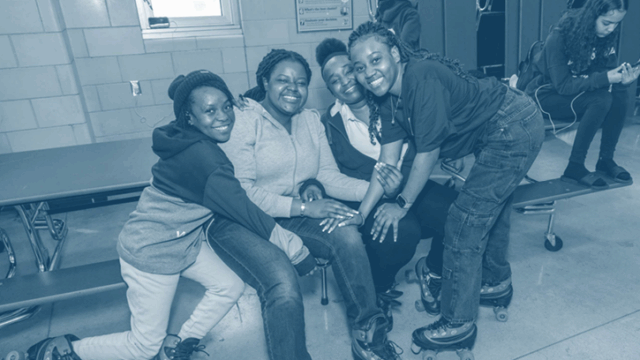


Boston Public Health Commission partnered with other Big Cities Health Coalition members to conduct a national landscape analysis that highlighted effective and innovative city and county-led programs to improve adolescent health.
Adolescence can be a rough time, but these days it seems being a young person is more fraught than ever. The pressures of social media, our increasingly polarized social and political environment, the continued impact of the COVID-19 pandemic, climate stress – the list of challenges young people face seems endless. It’s no wonder that while we have seen significant improvement in some adolescent health outcomes, we’ve also seen concerning trends in others – particularly in youth mental health.
Young people deserve services that respond to these new challenges, and those of us who work to promote adolescent health need to take stock and ensure that our strategies are rising to meet the emerging and dynamic needs of the young people we serve.
How we approached the landscape analysis
In late 2024, the Boston Public Health Commission’s Division of Child and Adolescent Health initiated a strategic planning process to enhance our adolescent health work. As part of this process, we wanted to learn how other large health departments promoted adolescent health. We were curious how our sister health departments prioritized, staffed, funded, and organized their work – and most importantly, how they viewed the scope of their role in advancing adolescent health.
“In these challenging times, we know that adolescents are under enormous stress and have many unmet health needs. This landscape report not only describes how health departments are supporting young people, but it also identifies new ways we can collaborate to enhance our impact. I’m excited about this work – young people deserve nothing less than our best,” said Dr. Bisola Ojikutu, Commissioner of Public Health for the City of Boston and Executive Director of the Boston Public Health Commission.
From December 2024 to May 2025, the Boston Public Health Commission interviewed 74 key adolescent health staff from 30 of the 35 Big Cities Health Coalition member health departments. Colleagues across the nation generously gave of their time and were eager to share about the promise and challenges they experienced serving youth.
What was most inspiring was that all the staff we interviewed wanted to collaborate more and connect with other adolescent health leaders. To foster this collaboration, we convened virtual meetings in July and October of 2025. Attendees heard the initial results of the landscape analysis and learned from one another through panel discussions on topics chosen by the group. Last month, in December 2025, the Boston Public Health Commission made a written report publicly available on its website.
What we learned
BCHC member health departments are deploying wide-ranging, effective, and innovative strategies to improve adolescent health in their communities. While almost all health departments provide direct clinical and health promotion services to adolescents, many also drive overall adolescent health strategy for their regions or serve as technical experts and capacity builders for other youth-serving institutions.
As an example of these more strategic roles, five urban jurisdictions – Minneapolis, Baltimore, Seattle-King County, Long Beach, and Los Angeles County – developed or co-developed youth-specific strategic plans. Two cities also participated in the UNICEF USA Child Friendly City Initiative and are now designated as child-friendly cities.
Our project also highlighted unique program models for reaching youth. Some programs had been robustly disseminated, even across health departments. For example, Philadelphia developed an inclusive, universal testing program designed to reduce transmission of STIs that was then replicated in Minneapolis and Chicago (see NACCHO case study). Other adolescent sexual health programs, such as the Chicago Healthy Adolescents & Teens program and the New York City Teen Connection, have been adapted in other cities.
At the same time, our landscape analysis highlighted many less-known but equally ingenious strategies, initiatives, and programs. A few examples include:
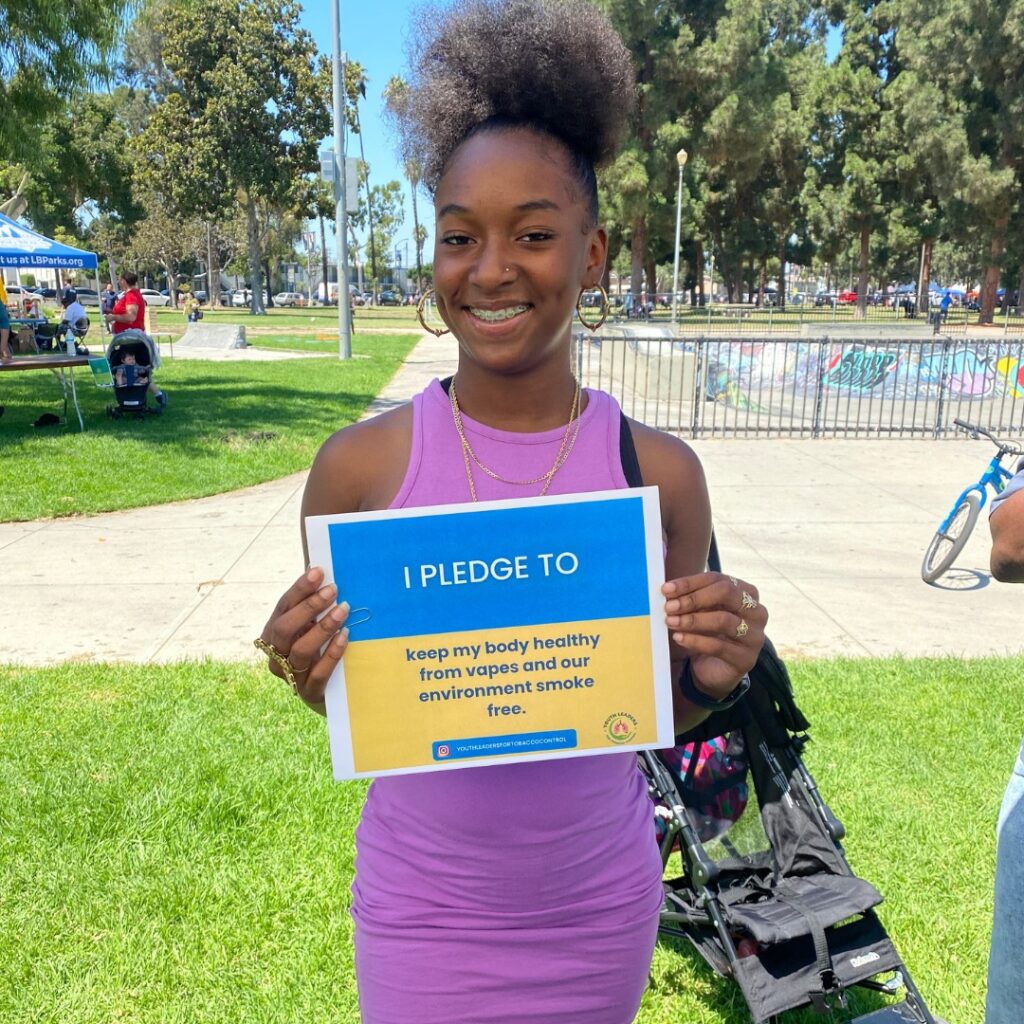
2024 teen vaping prevention campaign by Long Beach Health and Human Services
What’s next
Using this report, the Boston Public Health Commission plans to continue to learn from others through this initiative, apply the lessons learned and best practices to our work, and foster this unique community in ways that can continue to improve adolescent health across the nation.
The full report includes additional examples from BCHC member departments, analysis of staffing and funding sources for adolescent health in these jurisdictions, and much more.