Press Release
Grant cancellations threaten core public health services in major U.S. cities
February 2026
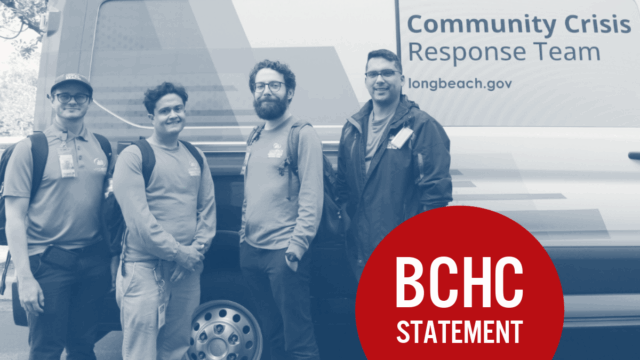


The following is a joint statement from seven BCHC member jurisdictions – Los Angeles County, Chicago, Denver, Minneapolis, Santa Clara County (CA), Alameda County (CA), and Long Beach (CA) – who learned this week that many multi-year grants that had already been awarded by the CDC would be canceled by Trump administration leadership.
Below the statement are specific examples in each city of essential public health work that will be affected by these cuts.
Contact us for interviews with affected health departments leaders, or Big Cities Health Coalition executive director Chrissie Juliano.
“While we await formal notification from the U.S. Department of Health and Human Services (HHS) that it is rescinding hundreds of millions of dollars from our departments, we are once again left to wonder why the Administration so frequently targets critically important work that saves lives and protects people’s health. HHS should reverse this decision immediately.
“Cancelling this funding makes it harder for our departments to prepare for and respond to natural disasters; prevent and manage disease outbreaks like measles; address HIV and other sexually transmitted infections; and reduce the burden of chronic diseases like diabetes and hypertension. The loss of Public Health Infrastructure Grants, which provide flexible funding directly to local health departments, is especially damaging. Those dollars help us hire staff, upgrade our technology, and respond quickly to local needs. Losing this funding is a major blow.
“All of these rescinded CDC funds were approved by Congress, and reiterated by additional appropriations passed and signed into law just last week, which reflects continued bipartisan support for critical public health programs and the workforce that carries them out. The Administration’s unilateral decision to pull these funds back will make America less healthy, less safe, and less secure.
“We have dedicated our careers to this work because we care deeply about the people and communities we represent. With sufficient funding and support from policymakers at all levels, we can accomplish so much together. We urge the Administration to treat public health as an ally, not an adversary.”
Barbara Ferrer, PhD, MPH, MEd, Director
LA County Department of Public Health
Olusimbo Ige, MD, MS, MPH, Commissioner
Chicago Department of Public Health
Karin McGowan, MPA, Executive Director
Denver Department of Public Health & Environment
Heidi Ritchie, MAL, BSN, RN, PHN, Deputy Commissioner
Minneapolis Department of Public Health
Sarah Rudman, MD, MPH, Health Officer and Director
County of Santa Clara Public Health Department
Kimi Watkins-Tartt, Director
Alameda County Public Health Department
Alison King, Director
Long Beach Department of Health and Human Services
Examples of impact from affected local jurisdictions
Alameda County, CA
The loss of $15.9M in Public Health Infrastructure Grant (PHIG) funding would have a dire, cascading impact on Alameda County Public Health Department’s operations and programming. It would dismantle critical workforce development, administrative, and information technology infrastructure, halting programmatic advancement and innovation. These funds have enabled the health department to expand its workforce efforts to recruit 24 full-time employees across the agency in critical areas such as finance, information technology, program planning, workforce development, and data analytics.
PHIG funding helps Alameda County maintain the staff, systems, and technology that prevent illness and respond to health threats. It supports ACPHD in monitoring disease patterns, tracking emerging risks, and keeping programs running smoothly. The lack of technological infrastructure to identify, monitor, and respond to emerging public health threats compromises our ability to keep county residents safe.
PHIG also helps ACPHD improve programs over time and maintain the infrastructure that makes public health work possible. By supporting both people and systems, PHIG funding helps Alameda County residents stay informed, prepared, and protected, ensuring local public health can respond quickly and effectively to any threat.
PHIG funds have improved Alameda County’s efforts by enabling it to:
These infrastructure investments directly support PHIG’s objectives of modernizing public health practice, building cross-cutting capacity, and establishing accountable systems that can sustain foundational public health services across all communities. Losing these funds will bring most of these efforts to a halt.
Chicago, IL
From information shared with the Chicago Department of Public Health, 5 critical public health related grants serving Chicago and its surrounding 9 counties are on the cancellation list. Together, these total more than $16.4 million and include:
What the Public Health Infrastructure Grant (PHIG) enabled in 2025:
More than 80 percent of CDPH’s funding comes from federal dollars. A loss of funding will not be made up at the state or local level. Preserving federal grants is integral to providing the staff, tools, and stability we need to safeguard community well-being and support a healthier, more resilient future.
Denver, CO
Through the CDC Public Health Infrastructure Grant, Denver Department of Public Health & Environment, has built workforce capacity that strengthens prevention, builds community trust, and improves emergency preparedness. For example, PHIG funding supports staff working on firearm injury reduction (including distribution of gun locks and education about safe storage), suicide prevention (including mapping resources and identifying gaps in access). PHIG-funded staff also contribute to emergency preparedness and response efforts, supporting Denver’s ability to address community-wide challenges. Overall, PHIG is a critical investment that strengthens Denver’s public health workforce, advances prevention strategies, expands youth and career pathways, and builds the infrastructure needed to support long-term community wellbeing.
Loss of this funding would have significant consequences, including:
Los Angeles County, CA
From preventing measles outbreaks in schools to helping seniors manage chronic conditions like diabetes and hypertension, the Los Angeles County Department of Public Health team works every day to protect residents’ health. They monitor air and water quality, ensure safe food in restaurants, support school-based programs, and provide HIV testing and prevention services; all while responding quickly when emergencies arise. Federal funding now anticipated for cancellation supports this essential work and the staff who carry it out.
Based on information shared with the Department, 22 public health grants serving LA County may be rescinded, including the Public Health Infrastructure Grant (PHIG), the National HIV Behavioral Surveillance Grant (NHBS), the STD Prevention and Control (STD PCHD) Grant, and the High-Impact HIV Prevention and Surveillance (HIHPS).
If these cuts move forward:
This funding helps the Los Angeles County Public Health team to:
These grants were approved by Congress and are used locally with oversight and accountability. Maintaining this funding helps families, seniors, and communities across LA County continue to receive protection and services every day. Federal leaders are urged to preserve the tools and workforce needed for local public health.
Minneapolis, MN
The City of Minneapolis Health Department uses Public Health Infrastructure Grant (PHIG) to strengthen public health outcomes for the communities it serves. Thirteen employees who work on local health programs such as mental health and maternal, child and adolescent health, will be lost if PHIG is terminated. The grant termination also will end the training of interns who are learning to work in essential public health positions such as environmental health, sustainability and workforce development.
Two of the 13 positions PHIG funds are two public health nurses. These nurses provide care through the City’s Mobile Medical Unit (MMU). The MMU brings accessible healthcare services to those who need it most across Minneapolis.
In addition, these cuts will result in the loss of funding to 12 community organizations implementing public health prevention programs with those disparately impacted by public health issues such as heart disease, violence, and mental health.
Impact of Racial and Ethnic Approaches to Community Health funding termination: Minneapolis uses Racial and Ethnic Approaches to Community Health (REACH) funding to increase access to affordable, healthy foods, create safer environments for physical activity, and improve breastfeeding supports. REACH funds 3.3 employees who manage and execute community contracts and partnerships. It provides $152,000 in community contracts related to chronic disease prevention, improving nutrition including breastfeeding as well as more opportunities for physical activity. It would severely impact Minneapolis’ ability to reduce chronic disease from a public health perspective.
The grant termination would stop work on the following public health programs:
Santa Clara County, CA
Santa Clara County receives two direct grants and one indirect subaward that we believe will be on the cancellation list. These include over $20 million from the Public Health Infrastructure Grant (PHIG) that support core public health infrastructure, including workforce capacity and critical data systems that enable day-to-day operations and emergency response, as well as $1.5 million from the Building Resilience Against Climate Effects (BRACE) grant that supports readiness for climate emergencies such as severe weather and wildfires. A third subaward from a grant to Stanford University allows the County to perform data modeling, to predict the impact of disease in the future and prepare accordingly.
Cancellation of these grants would result in significant impacts, including loss of nearly $11 million in funding and jeopardizing more than 19 staff positions. These cuts would:
In addition, residents of Santa Clara County benefit from work performed by other grantees on the cancellation list, including the California Department of Public Health, the San Francisco Department of Public Health, and the University of California, San Francisco. In kind support from these grantees act to support critical data systems used by the County of Santa Clara Public Health Department.
Long Beach, CA
The cancellation of the Public Health Infrastructure Grant (PHIG) and the Enhancing STI and Sexual Health Clinic Infrastructure (ESSHCI) grant would have significant and immediate impacts on both community health and departmental operations.
Loss of PHIG funding—totaling $8.86 million and currently supporting 13 fully staffed positions—would disrupt direct community engagement efforts, limit data collection and analysis critical to understanding health differences across Long Beach neighborhoods. It would also jeopardize programs that help older adults age in place with independence and dignity. Internally, it would undermine workforce development initiatives, stall data modernization efforts, weaken fiscal and administrative systems, and eliminate newly implemented staff safety protocols, eroding long-term organizational capacity.
The loss of ESSHCI funding would directly reduce access to essential sexual health services, affecting nearly 1,900 community members served in the most recent reporting year, including individuals receiving HIV prevention medications. Operationally, the clinic would lose critical tools such as the NextGen Medication module—essential for efficiency and 340B compliance—as well as rapid HIV testing supplies, compromising both service quality and regulatory compliance at a time of growing community need.
Public Health Infrastructure Grant (PHIG)
Enhancing STI and Sexual Health Clinic Infrastructure (ESSHCI)