Congress: Continue to fund tobacco prevention and cessation in FY27
March 2026


The Big Cities Health Coalition and 88 other organizations sent a letter to the House of Representatives and Senate Appropriations leaders requesting $310 million in funding for tobacco prevention and cessation at the Centers for Disease Control and Prevention (CDC) in FY27.
The final Fiscal Year (FY) 2026 appropriations legislation included level funding for tobacco cessation and prevention at CDC. As the House and Senate subcommittees move forward with the FY 2027 House Labor, Health and Human Services, Education and Related Agencies (Labor-HHS) Appropriations bill, we urge appropriators to continue to recognize the important role that the CDC plays in protecting Americans from a wide array of health threats and to provide $310 million for tobacco prevention and cessation at the CDC. At a time when there is renewed focus on preventing chronic disease and protecting children’s health, it is essential that Congress provide CDC with necessary resources to reduce the death and disease caused by tobacco use and other risks to public health.
The CDC helps Americans live longer, healthier lives by collecting health data, providing funding and support to state and local health programs, conducting public education campaigns, and developing best practices. The agency works to reduce chronic diseases, which are some of the leading causes of death in the United States and are a significant driver of health care costs. Its programs to reduce tobacco use help to prevent youth nicotine addiction and aid tobacco users who want to quit, saving lives and money.
Increasing efforts to prevent kids from using tobacco products and help adult tobacco users to quit will save additional lives and decrease healthcare expenditures.
Tobacco use has long been the leading preventable cause of death in the United States. Each year, our nation loses nearly 500,000 people to tobacco use and spends $241 billion treating tobacco-related disease, with more than 60 percent of these costs paid for by government programs like Medicare and
Medicaid.
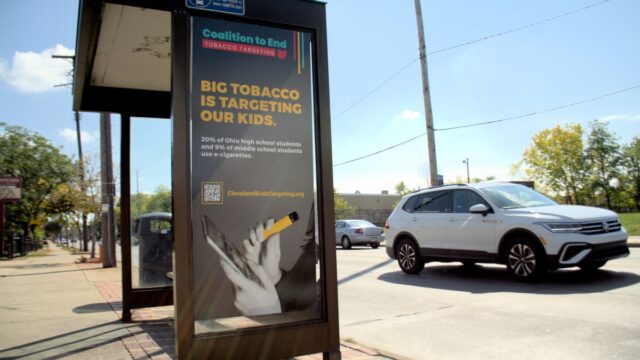
Tobacco use almost always begins during adolescence, and therefore youth use of e-cigarettes is a serious public health concern. A more robust public health response is needed to prevent e-cigarettes and other new tobacco products from placing a new generation at risk for nicotine addiction and tobacco use.
Smoking rates are higher in the South and Midwest than other parts of the country and higher among people with lower levels of income than those with higher incomes. There is a need to enhance tobacco prevention and cessation programs where the need is greatest so that every person has an opportunity to avoid nicotine addiction and the health consequences of tobacco use.
CDC’s tobacco prevention and cessation work has a profoundly positive impact on our nation’s efforts to reduce the death and disease caused by tobacco.
Additional funding for tobacco cessation and prevention programs at CDC, including the Office on Smoking and Health, will enable states to strengthen tobacco control efforts, expand quitline services, and will enhance the Tips media campaign, ensuring better support and protection for children and adults against the harms of tobacco use.
Investments in tobacco prevention and cessation will protect kids, save lives, and reduce the cost of treating tobacco-caused disease. With $310 million, CDC will be able to address the challenges posed by e-cigarettes and continue to make progress reducing the death and disease caused by other tobacco products, especially those most at risk for tobacco-caused disease.